

Introduction: The Shift in B2B Buying Behavior
Discover a proven B2B Social Media Marketing Strategy to generate high-quality leads in 2026. Learn how to dominate LinkedIn, X, YouTube, and more with the right goals, content calendar, KPIs, and human storytelling. Turn your social channels into a lead generation powerhouse.
According to multiple industry reports, over 70% of B2B buyers now use social media during their decision-making process, while a majority consume video and thought leadership content before making a purchase. B2B buying process has fundamentally changed. Despite this, many businesses still treat social media as a branding tool rather than a revenue-generating channel, which creates a major gap between opportunity and execution.
Why Your Competitors Are Ignoring B2B Social
One of the biggest reasons B2B social media is undervalued is the focus on vanity metrics instead of business outcomes. Companies often measure success based on likes, shares, and followers rather than leads, conversions, and pipeline growth.
However, the data tells a very different story. Studies show that around 80% of B2B social media leads come from LinkedIn, making it the most effective platform for professional lead generation. Additionally, short-form video content has been reported to deliver the highest ROI for over 40% of B2B marketers, outperforming traditional content formats.
The problem is not whether social media works—the problem is that most businesses lack a structured and strategic approach to using it effectively.
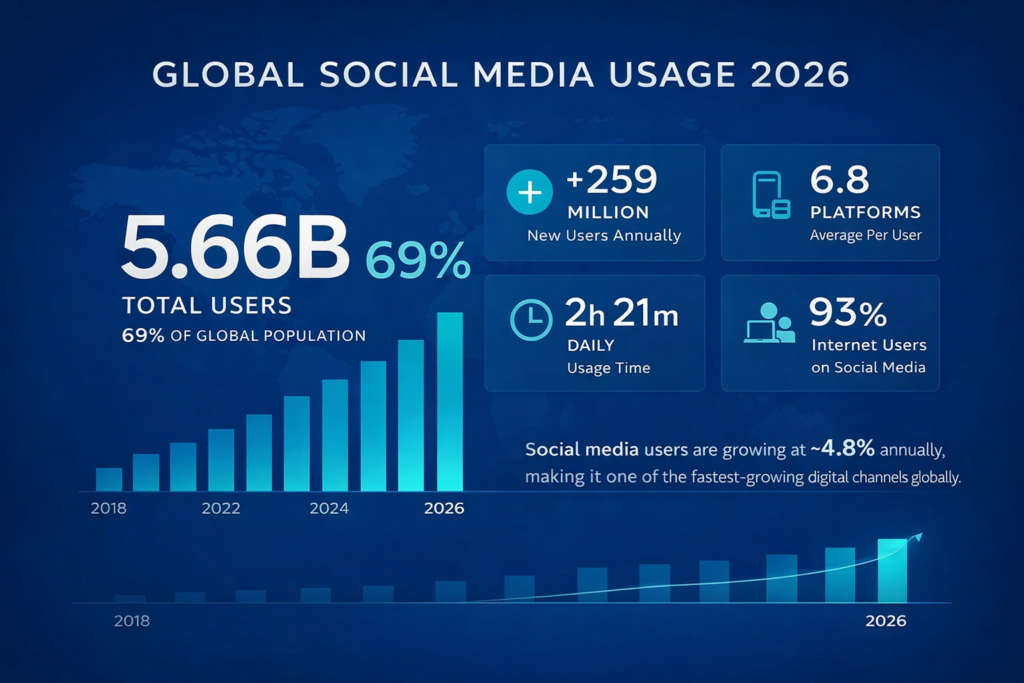
Best Platforms for B2B Social Media Marketing
Selecting the right platforms is critical because each one serves a different purpose in the buyer journey. LinkedIn remains the strongest foundation for B2B marketing due to its professional audience and high concentration of decision-makers. While organic reach builds authority, savvy marketers use LinkedIn post boosting to ensure their best-performing thought leadership reaches specific decision-makers outside their immediate network. It is widely used for thought leadership, lead generation campaigns, and relationship building.
At the same time, YouTube has become a powerful channel for long-form educational content. Research indicates that B2B buyers watch two to three times more video content before making a purchase decision compared to previous years, making video a key trust-building tool.
Meanwhile, X plays a valuable role in real-time engagement, allowing brands to participate in industry conversations and share quick insights that drive awareness. Visual platforms like Instagram and TikTok are also increasingly relevant, especially for reaching younger professionals and presenting complex ideas in a simplified, engaging format.
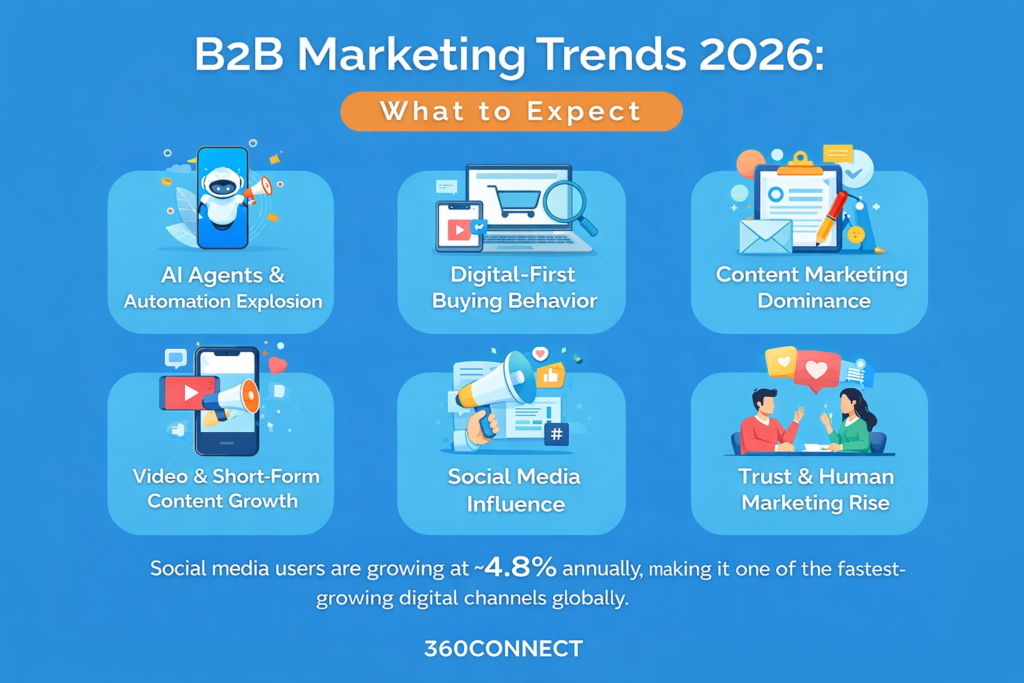
Real-World Example: How B2B Brands Generate Leads from Social Media
A SaaS company offering CRM solutions implemented a focused strategy using LinkedIn and YouTube. Instead of promoting their product directly, they started publishing educational content explaining common sales challenges, CRM mistakes, and optimization techniques.
Within six months, their LinkedIn posts began generating consistent engagement from decision-makers, while their YouTube tutorials attracted targeted traffic searching for solutions. By adding clear calls-to-action and lead magnets, they increased inbound leads by over 35% and reduced their sales cycle significantly because prospects were already educated before entering the funnel.
This example highlights a key principle: B2B social media works best when it educates first and sells later.
How B2B Social Media Strategy Differs from B2C
B2B marketing is fundamentally different from B2C due to longer sales cycles, higher transaction values, and multiple stakeholders involved in decision-making. Because of this, social media strategies must focus on building trust over time rather than driving instant conversions.
Instead of aggressive promotions, successful B2B brands prioritize thought leadership, problem-solving content, and industry insights. Research shows that over 75% of B2B buyers are more likely to engage with brands that provide valuable and educational content rather than direct sales messaging.
For broader top-of-funnel awareness, learning how to boost a post on Facebook allows B2B brands to retarget website visitors and maintain brand presence at a significantly lower cost-per-click than professional networks.
Setting the Right Goals and KPIs
A successful B2B social media strategy must be aligned with business outcomes rather than superficial engagement metrics. Companies that achieve consistent results track their performance across multiple stages of the funnel, from awareness to revenue generation.
Below is a clear breakdown of how different KPIs contribute to business growth:
| Goal Category | Key Metrics | Business Impact |
|---|---|---|
| Awareness | Reach, impressions, follower growth | Expands visibility and brand recognition |
| Engagement | Comments, shares, profile visits | Indicates audience interest and trust |
| Lead Generation | Form submissions, clicks, demo requests | Direct contribution to sales pipeline |
| Pipeline Influence | Opportunities created, conversion rates | Measures revenue impact |
| Advocacy | Employee shares, testimonials, referrals | Builds long-term brand credibility |
By tracking these metrics through analytics tools and CRM systems, businesses can clearly understand how social media contributes to revenue and optimize accordingly.
Building a High-Performing Content Strategy
Consistency plays a crucial role in B2B social media success. Without a structured approach, content becomes inconsistent and fails to deliver results. High-performing brands develop content strategies that align with different stages of the buyer journey while maintaining a consistent posting schedule.
A strong content mix typically includes educational insights, industry trends, problem-solving content, and storytelling elements that humanize the brand. Instead of creating content from scratch every time, successful companies repurpose content efficiently. For example, a single webinar can be transformed into multiple LinkedIn posts, short video clips, blog articles, and email campaigns.
Measuring Performance and Continuous Optimization
Long-term success in B2B social media depends on continuous learning and optimization. Rather than relying on assumptions, businesses should analyze performance data regularly to identify what is working.
Using tracking systems such as UTM parameters and CRM attribution models allows marketers to connect social media activity directly to leads and revenue. Over time, this data reveals patterns that help refine content strategies, improve targeting, and maximize ROI.
Creating Engaging and Non-Boring B2B Content
One of the biggest misconceptions in B2B marketing is that content must be formal and technical. In reality, engaging content often comes from presenting ideas in a relatable and human way.
Brands that stand out focus on storytelling, unique perspectives, and real-world insights. For example, sharing lessons from failed campaigns, discussing industry myths, or providing behind-the-scenes content can significantly increase engagement. Authenticity consistently outperforms overly polished and generic messaging.
The Role of Human-Centered Marketing
Trust is a critical factor in B2B decision-making, and trust is built through human connection. This is why employee advocacy and personal branding are becoming essential components of social media strategy.
When employees and leaders actively share their knowledge and experiences, it increases reach and credibility. Studies suggest that content shared by individuals generates significantly higher engagement compared to content shared by company pages alone. Featuring real people, customer stories, and team insights helps create a stronger emotional connection with the audience.
Common Mistakes That Limit B2B Social Media Success
Many businesses struggle with social media because they focus too heavily on selling, post inconsistently, or fail to engage with their audience. Ignoring comments and messages can reduce trust, while overly complex language can make content difficult to understand.
The most effective approach is to prioritize value, maintain consistency, communicate clearly, and actively engage with your audience. Social media is not just a publishing platform—it is a relationship-building tool.
Conclusion: From Social Media to Revenue Engine
B2B social media marketing in 2026 is no longer about simply being active online. It is about building a strategic system that attracts the right audience, nurtures relationships, and converts attention into measurable business results.
When executed correctly, social media becomes one of the highest ROI channels for B2B companies. It shortens sales cycles, improves lead quality, and strengthens brand authority in a competitive market.
The opportunity is clear, but success depends on execution. Businesses that invest in the right strategy today will gain a significant advantage, while those that ignore this shift will continue to fall behind.
If you are ready to turn your social media presence into a consistent lead generation engine, now is the time to act. The question is not whether social media works—it is whether you are using it to its full potential.